Streamlining Reservation Management: Best Practices for Shuttle Operators
Understanding the Importance of Efficient Reservation Management
In the shuttle service industry, effective reservation management is crucial for maintaining customer satisfaction and operational efficiency. As shuttle operators, ensuring a smooth and seamless booking process can significantly enhance the overall customer experience. Streamlining these processes not only reduces administrative burdens but also helps in optimizing fleet utilization.

Implementing a Robust Reservation System
A robust reservation system is the backbone of any successful shuttle operation. Investing in a reliable software solution can automate booking processes, manage schedules, and track customer preferences. This automation reduces the risk of human error and ensures that all reservations are accurately recorded and easily accessible.
Look for a system that offers real-time updates and integrates with other tools you use, such as GPS tracking and payment processing systems. This integration can provide a seamless flow of information, allowing operators to make informed decisions swiftly.
Enhancing Customer Communication
Effective communication is key to managing reservations successfully. Utilize automated email and SMS notifications to keep customers informed about their bookings, any changes in schedules, or important updates. This proactive approach not only builds trust but also minimizes the likelihood of no-shows.
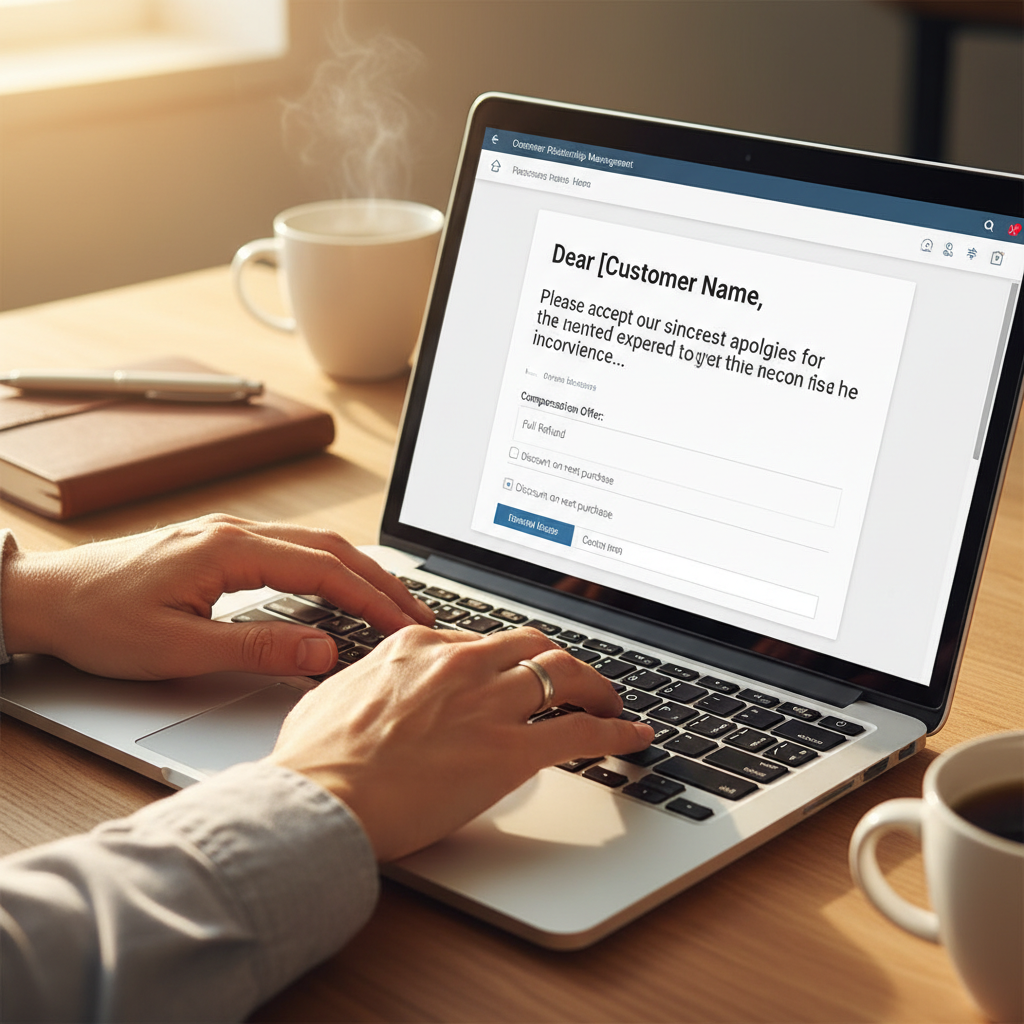
Furthermore, offering multiple communication channels such as phone, email, and chat support can cater to different customer preferences, enhancing their overall experience with your service.
Optimizing Fleet Management
Streamlining reservation management also involves optimizing your fleet. Use data from your reservation system to analyze demand patterns and adjust your fleet accordingly. This can help in reducing idle times and ensuring that resources are utilized efficiently.
Consider implementing a dynamic pricing model that adjusts rates based on demand. This strategy can maximize revenue during peak times while offering competitive pricing during off-peak hours.

Training and Empowering Staff
Your staff plays a vital role in the reservation management process. Regular training sessions can empower them with the necessary skills to handle bookings, customer inquiries, and any unforeseen issues effectively. A well-trained team can significantly reduce the time taken to resolve customer concerns, enhancing overall service quality.
Encourage feedback from your staff to identify any bottlenecks in the reservation process. This feedback can provide valuable insights into areas that need improvement.
Utilizing Data Analytics for Continuous Improvement
Data analytics is a powerful tool for continuous improvement in reservation management. Analyze data regularly to identify trends, customer preferences, and potential areas for growth. This information can inform strategic decisions, helping you to stay ahead of the competition.
Incorporate customer feedback into your analytics to gain a comprehensive understanding of their needs and expectations. This can lead to the development of more personalized services, ultimately enhancing customer loyalty.

Conclusion: Embracing Technology for a Competitive Edge
In the rapidly evolving shuttle service industry, embracing technology and adopting best practices in reservation management can provide a significant competitive edge. By investing in the right tools, enhancing communication, optimizing fleet management, and utilizing data analytics, shuttle operators can streamline their operations and deliver exceptional customer experiences.